


The Essentials of Childhood Education Basics
When we think about the foundation of a child’s lifelong learning journey, the early years stand out as the most crucial. These formative years shape how children perceive the world, interact with others, and develop essential skills. I want to share with you the essentials of childhood education basics, helping you understand what truly matters during this special time.
Early childhood is a period full of wonder, curiosity, and rapid growth. It’s a time when children absorb everything around them like little sponges. As caregivers, we have the unique opportunity to nurture their natural love for learning and set them up for success. Let’s explore what makes early childhood education so vital and how we can support it in meaningful ways.
Understanding Childhood Education Basics
Childhood education basics revolve around creating a safe, stimulating, and supportive environment where young children can thrive. It’s not just about teaching letters and numbers; it’s about fostering social skills, emotional intelligence, creativity, and physical development.
Here are some key components that form the foundation of effective childhood education:
Play-Based Learning: Children learn best through play. It encourages exploration, problem-solving, and imagination.
Social Interaction: Building relationships with peers and adults helps children develop communication and empathy.
Routine and Structure: Consistent daily routines provide a sense of security and help children understand expectations.
Language Development: Talking, reading, and singing with children boost their vocabulary and comprehension.
Physical Activity: Movement supports motor skills and overall health.
Emotional Support: Recognizing and validating feelings helps children build resilience and confidence.
By focusing on these areas, we create a balanced approach that nurtures the whole child.

What does early childhood mean in education?
You might wonder, what exactly does early childhood mean in education? Early childhood typically refers to the period from birth to around eight years old. This stage includes infancy, toddlerhood, and the early elementary years. It’s a time of incredible brain development and rapid learning.
During these years, children develop foundational skills that influence their future academic success and personal growth. Early childhood education focuses on supporting this development through age-appropriate activities and experiences.
For example, toddlers learn to express themselves through simple words and gestures, while preschoolers start to grasp basic concepts like counting and colors. The goal is to provide experiences that are both fun and educational, encouraging curiosity and a love for learning.
How to Create a Nurturing Learning Environment at Home
Creating a nurturing learning environment at home is easier than you might think. It’s about making everyday moments opportunities for growth and discovery. Here are some practical tips you can try:
Set Up a Learning Space
Dedicate a small area with books, puzzles, and art supplies. Keep it organized and accessible so your child can explore independently.
Incorporate Learning into Daily Routines
Talk about what you’re doing during meals, shopping, or walks. Ask open-ended questions like, “What colors do you see?” or “How does this feel?”
Encourage Play
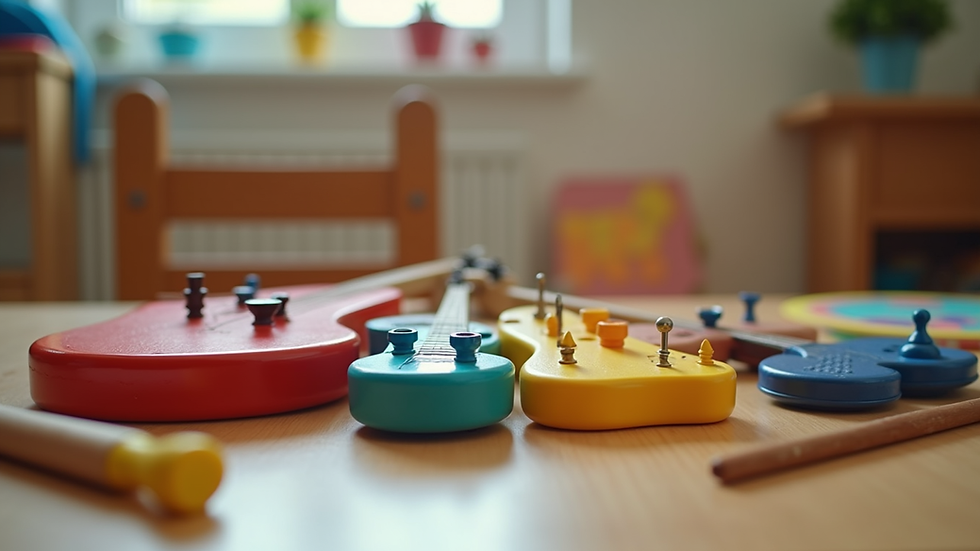
Provide a variety of toys that stimulate creativity, such as blocks, dress-up clothes, and musical instruments.
Read Together Daily
Choose books that match your child’s interests and read with enthusiasm. This builds language skills and strengthens your bond.
Celebrate Effort, Not Just Results
Praise your child’s attempts and progress to build confidence and a growth mindset.
Remember, the goal is to make learning joyful and stress-free. Children learn best when they feel loved and supported.

Why Social and Emotional Learning Matters
Social and emotional learning (SEL) is a vital part of childhood education basics. It helps children understand their feelings, develop empathy, and build positive relationships. These skills are just as important as academic knowledge.
Children who learn to manage emotions and interact kindly with others tend to do better in school and life. They are more resilient, cooperative, and confident.
You can support SEL by:
Modeling respectful communication
Encouraging sharing and turn-taking
Helping children name their emotions
Teaching problem-solving skills
Creating opportunities for group play and teamwork
When children feel emotionally secure, they are more open to learning and exploring new ideas.
Supporting Language and Cognitive Development
Language and cognitive skills grow rapidly in early childhood. These skills form the basis for reading, writing, and critical thinking later on. Supporting them early can make a big difference.
Here are some ways to encourage language and cognitive development:
Talk Often: Describe what you’re doing and ask your child questions.
Sing Songs and Recite Rhymes: These help with memory and rhythm.
Play Memory and Matching Games: These boost attention and problem-solving.
Introduce New Vocabulary: Use descriptive words and explain their meanings.
Encourage Storytelling: Let your child tell you stories or describe pictures.
By engaging in these activities, you help build a strong foundation for lifelong learning.
The Role of Physical Activity in Early Learning
Physical activity is more than just fun for little ones - it’s essential for healthy development. Movement helps build coordination, strength, and brain connections.
Simple activities like running, jumping, climbing, and dancing support motor skills and overall well-being. They also provide a natural way to explore the environment and learn about cause and effect.
Try to include daily physical play, both indoors and outdoors. Even short bursts of activity can boost mood and focus.
Encouraging Curiosity and Creativity
Curiosity is the spark that drives learning. When children are curious, they ask questions, experiment, and discover new things. Creativity allows them to express themselves and think outside the box.
To nurture these qualities:
Provide open-ended materials like clay, paint, and building blocks.
Ask “What if?” questions to inspire imagination.
Allow time for unstructured play without strict rules.
Celebrate unique ideas and solutions.
Explore nature and new environments together.
Encouraging curiosity and creativity helps children become confident, independent learners.
Bringing It All Together
Supporting your child’s early learning journey is a rewarding experience. By focusing on the essentials of childhood education basics, you help build a strong foundation for their future.
Remember, every child is unique and learns at their own pace. The key is to provide love, encouragement, and opportunities to explore. If you want to dive deeper into early childhood education, there are wonderful local programs and resources that can enrich your family’s experience.
Together, we can create joyful learning moments that last a lifetime. Keep nurturing, keep playing, and keep celebrating every step of the way.


Comments