


The Impact of Music Education in Preschools
- courtneycottone29
- Dec 8, 2025
- 4 min read
Music is a universal language that resonates deeply with people of all ages. For young children, especially those in preschool, music is more than just entertainment - it is a vital tool for development. Integrating music learning for preschoolers into early childhood education can have profound effects on cognitive, emotional, social, and physical growth. This article explores the multifaceted impact of music education in preschools and offers practical insights for parents and educators to harness its benefits.
The Importance of Music Learning for Preschoolers
Music learning for preschoolers is not just about teaching children to sing or play instruments. It is a comprehensive approach that nurtures creativity, communication, and critical thinking. At this early stage, children’s brains are highly receptive to new stimuli, and music provides a rich sensory experience that supports brain development.
Research shows that children exposed to music education tend to have better language skills, improved memory, and enhanced spatial-temporal abilities. For example, singing simple songs helps with vocabulary acquisition and pronunciation, while rhythm exercises improve timing and coordination. Moreover, music encourages emotional expression and helps children develop empathy by connecting with different moods and stories conveyed through songs.
Incorporating music into daily preschool routines can also foster a sense of community and cooperation. Group singing and movement activities teach children to listen, take turns, and work together harmoniously. These social skills are essential for success in school and beyond.

How Preschool Music Education Enhances Development
The benefits of preschool music education extend across multiple domains of child development. Here are some key areas where music makes a significant impact:
Cognitive Development: Music stimulates brain areas involved in reading, math, and problem-solving. Learning rhythms and melodies enhances pattern recognition and sequencing skills.
Language Skills: Singing songs with repetitive lyrics improves vocabulary and grammar. Music also aids in auditory discrimination, helping children distinguish sounds.
Motor Skills: Playing instruments and moving to music develop fine and gross motor coordination. Clapping, tapping, and dancing strengthen muscle control and balance.
Emotional Growth: Music provides a safe outlet for expressing feelings. It helps children understand emotions and develop self-regulation.
Social Interaction: Group music activities promote cooperation, turn-taking, and listening skills. They build confidence and a sense of belonging.
For example, a preschool class that incorporates a daily music and movement session might start with a warm-up song, followed by instrument play, and end with a group dance. This routine not only keeps children engaged but also supports holistic development.
To explore structured programs that specialize in this approach, consider preschool music education options that combine music and movement for young learners. Partner with Learn and Play Hooray, to offer music to your preschool and make a meaningful impact on your students and families.
What are the 4 Pillars of Music Education?
Understanding the foundational elements of music education helps in designing effective learning experiences for preschoolers. The four pillars of music education are:
Singing: The most natural form of music for children, singing develops pitch, tone, and breath control. It also enhances memory through repetition.
Listening: Active listening to different types of music sharpens auditory skills and introduces children to diverse musical styles and cultures.
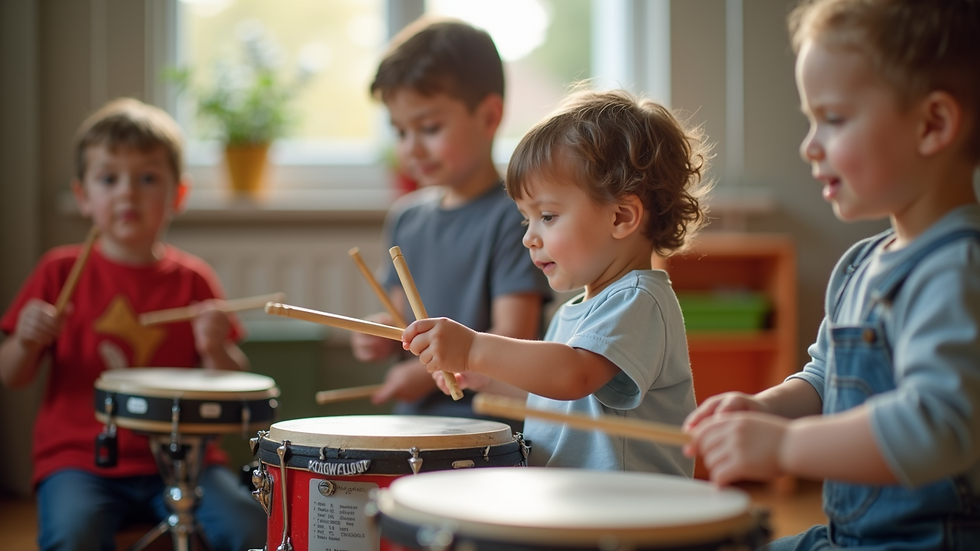
Playing Instruments: Hands-on experience with instruments fosters fine motor skills and coordination. It also encourages creativity and experimentation.
Moving to Music: Movement activities like dancing and clapping connect music to physical expression, improving rhythm and body awareness.
By integrating these pillars into daily activities, educators can create a balanced and engaging music curriculum that supports all areas of development.
Practical Tips for Incorporating Music in Preschool Settings
Introducing music learning for preschoolers can be simple and enjoyable with the right strategies. Here are some actionable recommendations for parents and educators:
Create a Music-Friendly Environment: Set up a dedicated space with accessible instruments like tambourines, xylophones, and shakers. Include a music player for diverse songs.
Use Age-Appropriate Songs: Choose songs with simple melodies and repetitive lyrics. Nursery rhymes and action songs are excellent choices.
Incorporate Movement: Encourage children to dance, clap, or march along with the music. Movement helps internalize rhythm and makes learning fun.
Encourage Participation: Invite children to sing along, play instruments, or lead parts of the song. This builds confidence and engagement.
Integrate Music Across Subjects: Use songs to teach numbers, letters, or social skills. For example, a counting song can reinforce math concepts.
Be Consistent: Schedule regular music sessions to build routine and reinforce learning.
Model Enthusiasm: Show excitement and involvement in music activities. Children often mirror adult attitudes.
By following these tips, preschools can create a vibrant music culture that supports children's growth and joy.
The Lasting Benefits of Early Music Education
The impact of music education in preschools goes beyond the classroom. Children who engage in music learning often carry the benefits into later life stages. Early exposure to music can lead to:
Improved Academic Performance: Skills developed through music, such as memory and attention, contribute to success in reading and math.
Enhanced Social Skills: Music fosters teamwork, empathy, and communication, which are valuable in all social settings.
Lifelong Appreciation for the Arts: Early positive experiences with music encourage continued participation in cultural activities.
Better Emotional Health: Music provides tools for managing stress and expressing emotions throughout life.
Investing in quality music education during the preschool years lays a strong foundation for well-rounded development. Whether through formal programs or informal activities at home, music is a powerful resource for nurturing young minds.
Music learning for preschoolers is a dynamic and enriching experience that supports multiple aspects of growth. By embracing music education in early childhood, we open doors to creativity, learning, and joy that last a lifetime. For those interested in structured programs, exploring options like preschool music education can provide expert guidance and resources to maximize these benefits.


Comments